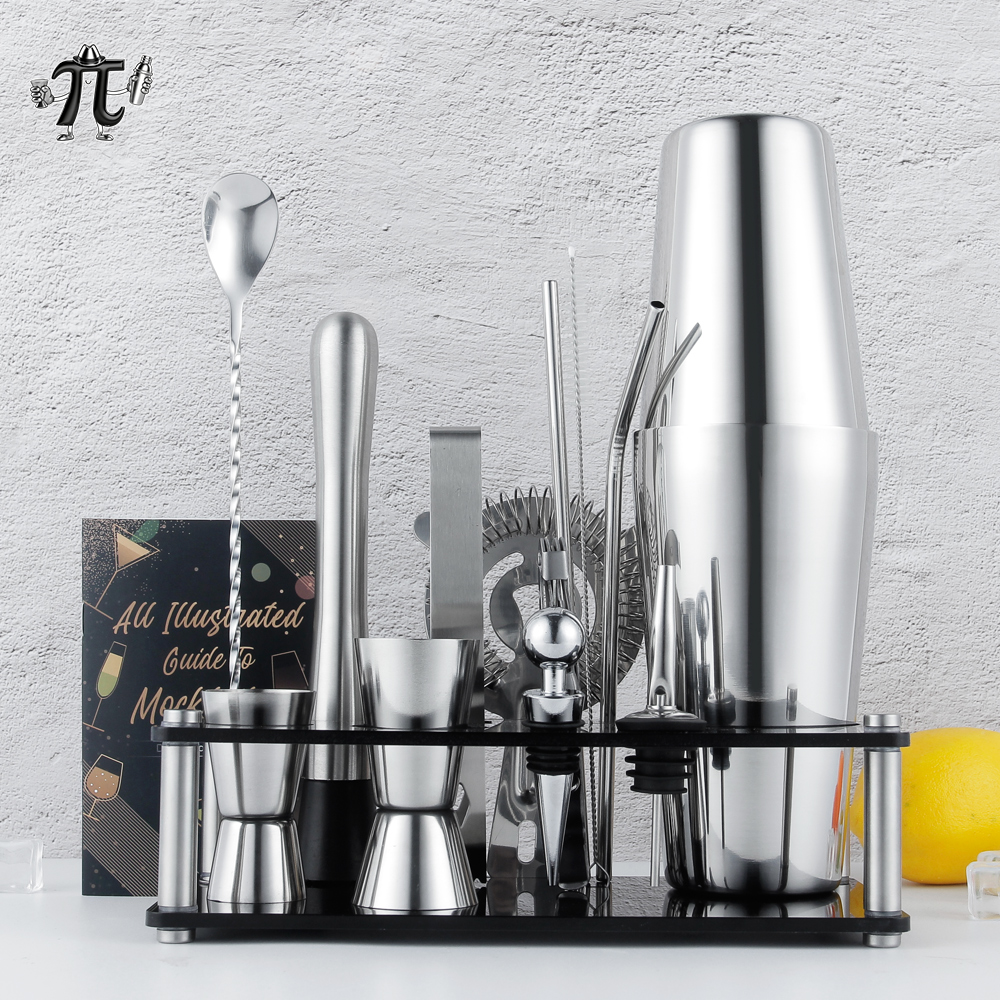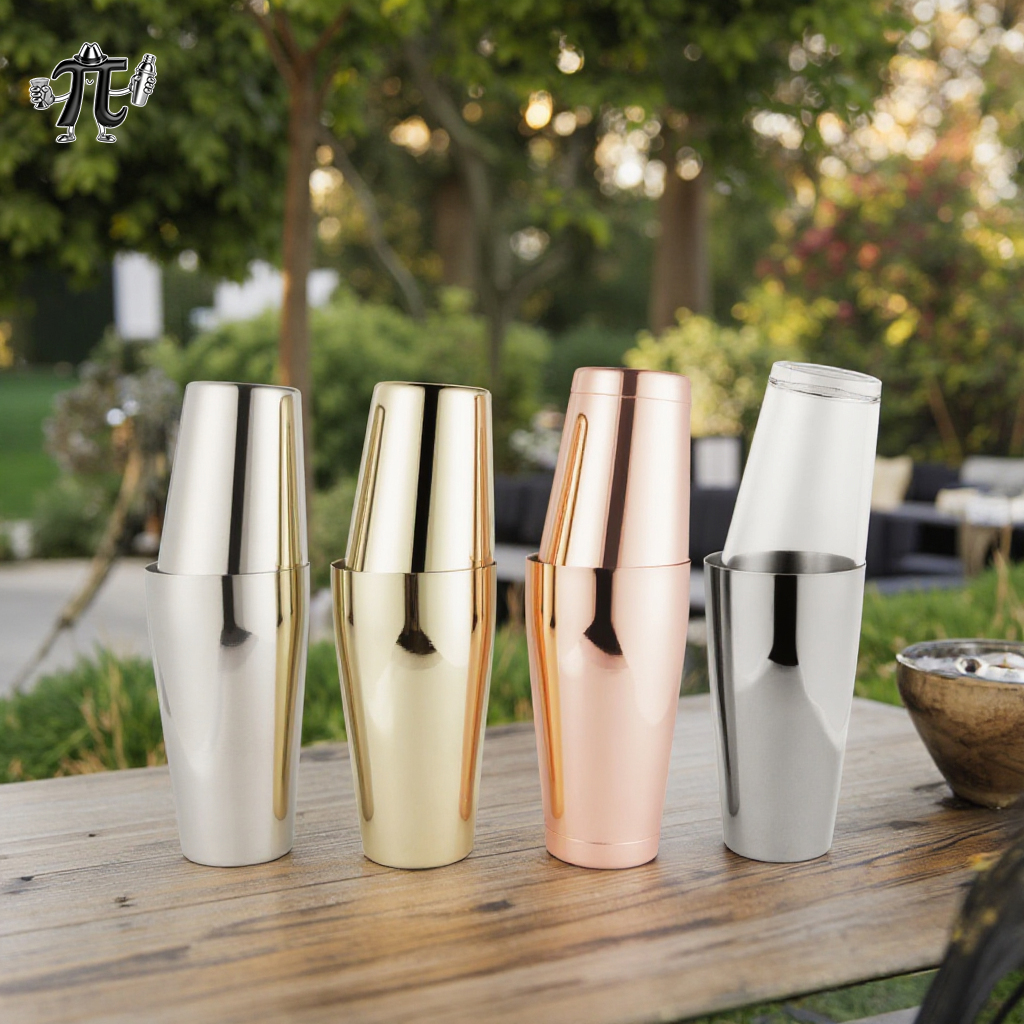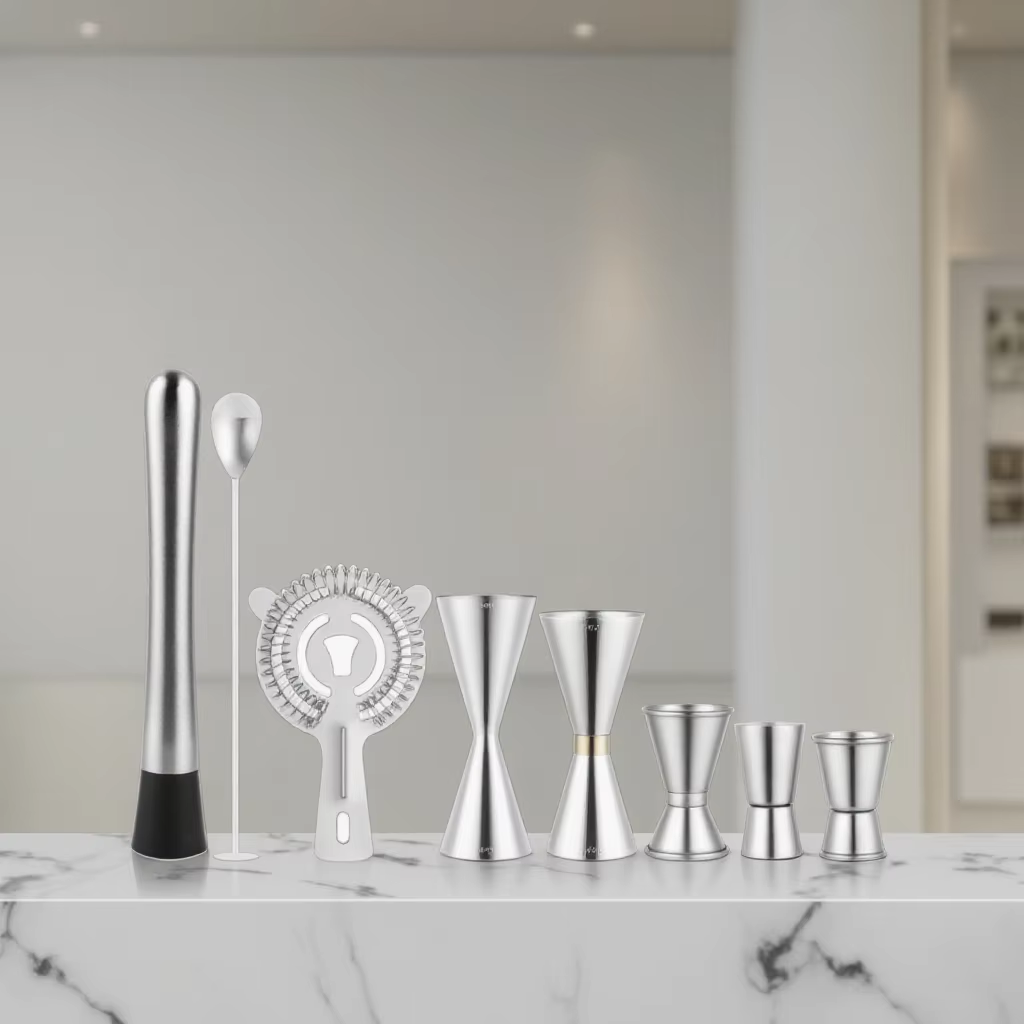

We get this question a lot from international buyers: "What's the difference between SS304 and SS201 stainless steel, and which should I choose for my barware products?" It's a critical question that directly impacts product quality, safety compliance, and your bottom line. Let's break it down.
Understanding Stainless Steel Grades
Stainless steel is an alloy primarily composed of iron, chromium, and nickel. The specific composition determines the grade and its suitability for different applications. For barware, the two most relevant grades are SS304 and SS201.
What is SS304?
SS304, also known as 18/8 stainless steel (referring to its 18% chromium and 8% nickel content), is the industry standard for food-grade applications worldwide. It's the material of choice for commercial kitchens, food processing equipment, and any product that will contact consumables.
What is SS201?
SS201 is a value-engineered alternative that uses manganese and nitrogen to partially replace nickel. This reduces cost while maintaining reasonable corrosion resistance and structural properties—though not suitable for food-contact applications.
Detailed Comparison
| Property | SS304 | SS201 |
|---|---|---|
| Chromium Content | 18-20% | 16-18% |
| Nickel Content | 8-10.5% | 0.5-1.5% |
| Manganese Content | ≤2% | 5.5-7.5% |
| Corrosion Resistance | Excellent | Good (indoor use) |
| Food Safety | FDA & LFGB Certified | Not food-contact rated |
| Durability | Superior | Good |
| Cost | Standard | 15-20% lower |
| Typical Applications | Food-contact items | Decorative, structural |
SS304: The Premium Choice for Food-Grade Products
For any barware product that will touch food or beverages, SS304 is essential. Here's why international buyers prioritize it:
✅ FDA & LFGB Food-Grade Certified
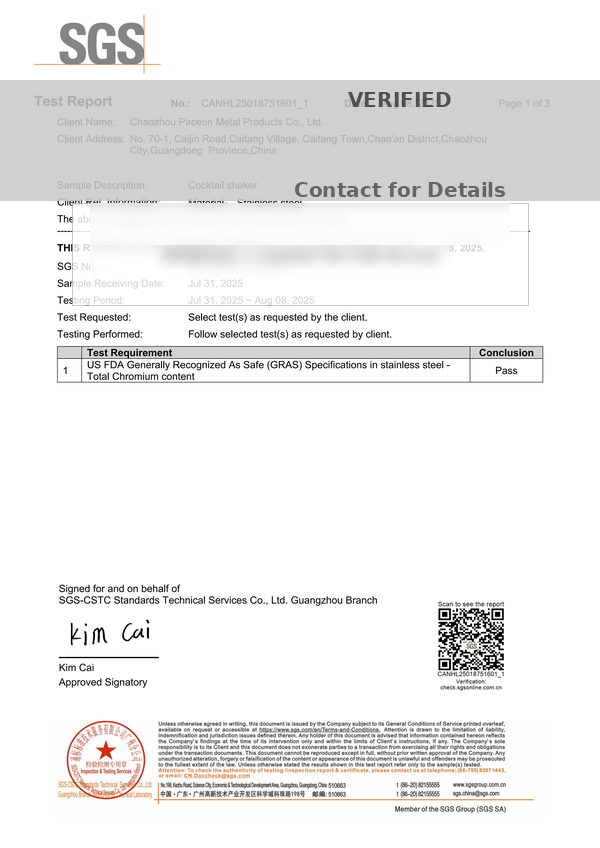
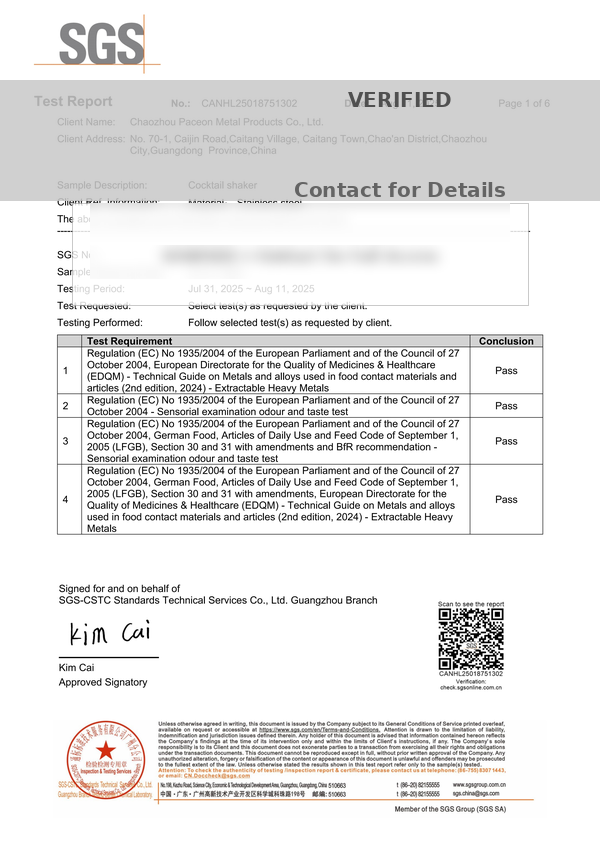
SS304 meets U.S. FDA and German LFGB requirements for food-contact materials. This certification is increasingly mandatory for entering European and North American markets.
Key advantages of SS304 for barware:
- Zero rust risk – Won't corrode even with prolonged exposure to acidic cocktails, citrus juices, or alcoholic beverages
- No metallic taste transfer – Maintains pure cocktail flavor profiles essential for premium drinking experiences
- Commercial kitchen approved – Used in professional bars, restaurants, and hotels worldwide
- Easy cleaning – Dishwasher safe, resists staining and odors
- Long-term value – Higher initial investment with superior longevity
SS304 Applications in Barware
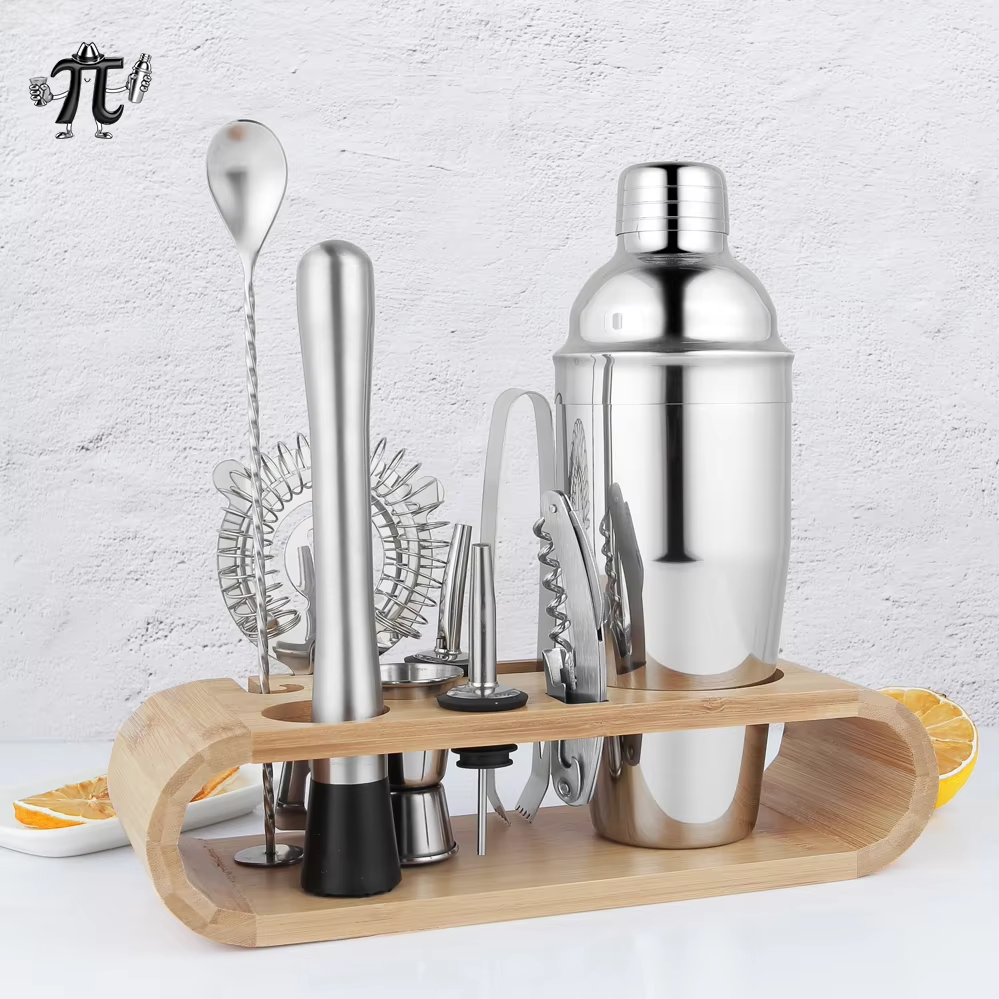
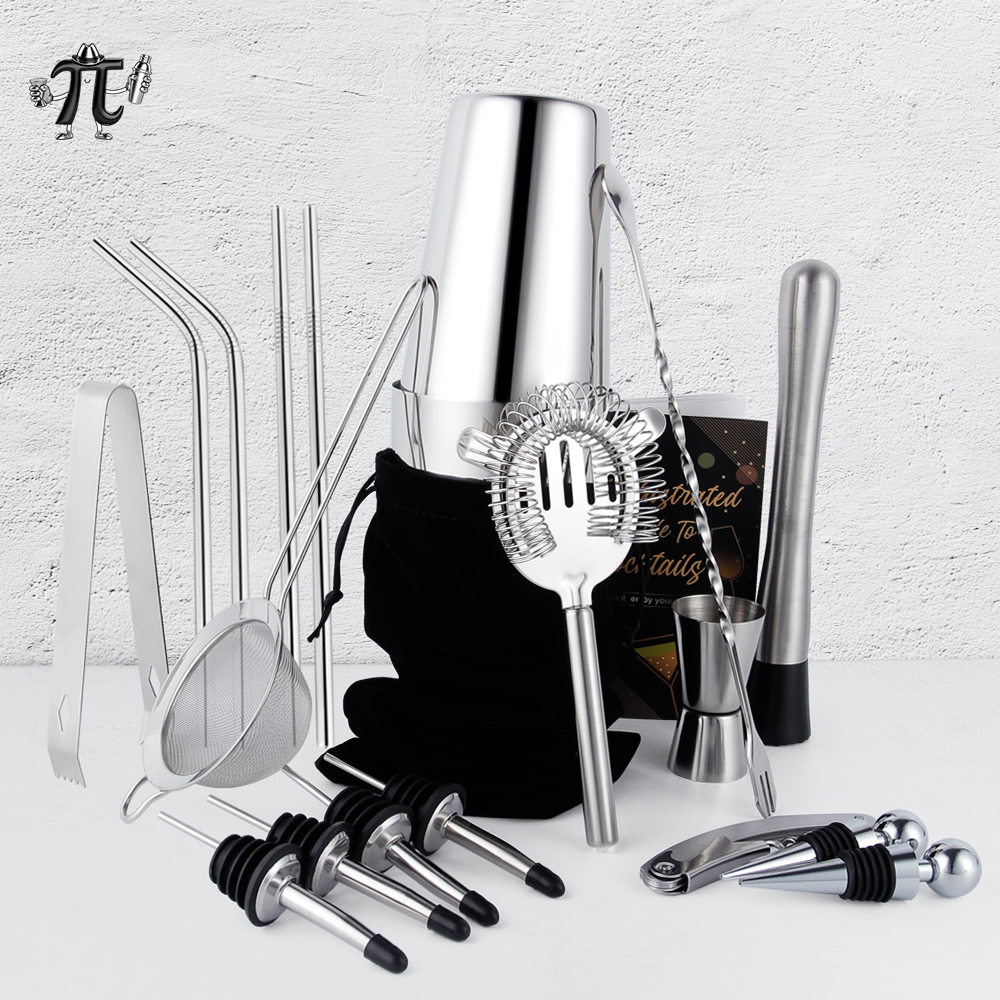
- Cocktail shakers (all types: Boston, Cobbler, Parisian)
- Mixing glasses and stirring cups
- Jiggers and measuring cups
- Bar strainers and spoons
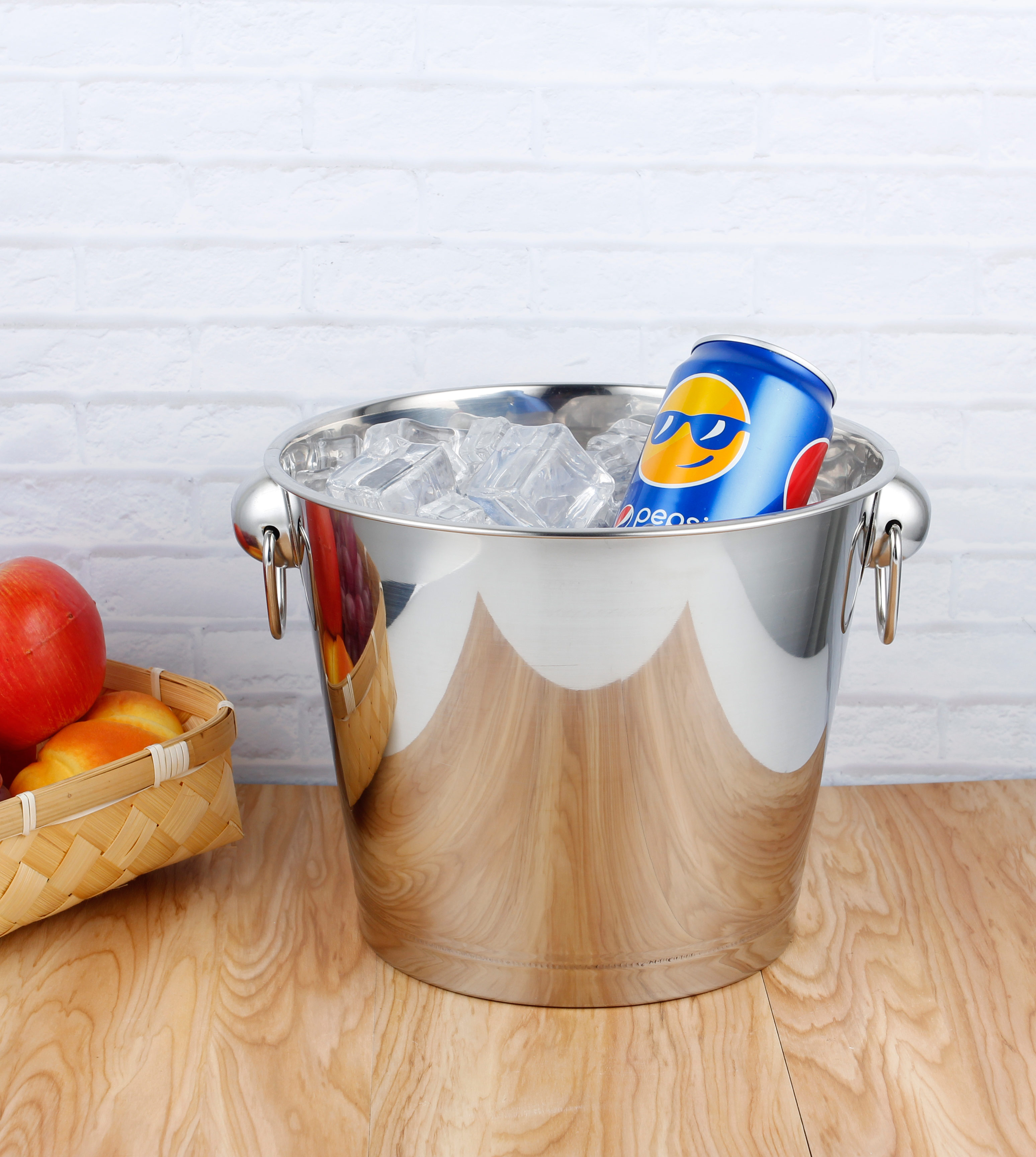
- Ice buckets and tongs
- Wine chillers and carafes
SS201: Strategic Value Applications
SS201 has its place in barware production when used appropriately:
✅ Ideal for Decorative and Structural Elements
SS201 performs excellently for non-food-contact components where appearance and structural integrity matter more than direct beverage contact.
Appropriate SS201 applications:
- Display stands and bases – Wooden stand holders, acrylic stand frames
- Gift box accents – Decorative trim, logo plates
- Outer shells – Double-walled outer containers (not in contact with contents)
- Hardware components – Screws, hinges, attachment hardware
- Budget gift sets – Where cost is primary driver for non-critical items
The Smart Buyer Strategy: Using Both Grades
Experienced buyers often adopt a strategic hybrid approach:
- SS304 for all food-contact parts – Any component that touches beverages must be SS304 with proper certification
- SS201 for structural elements – Stands, decorative accents, and packaging components
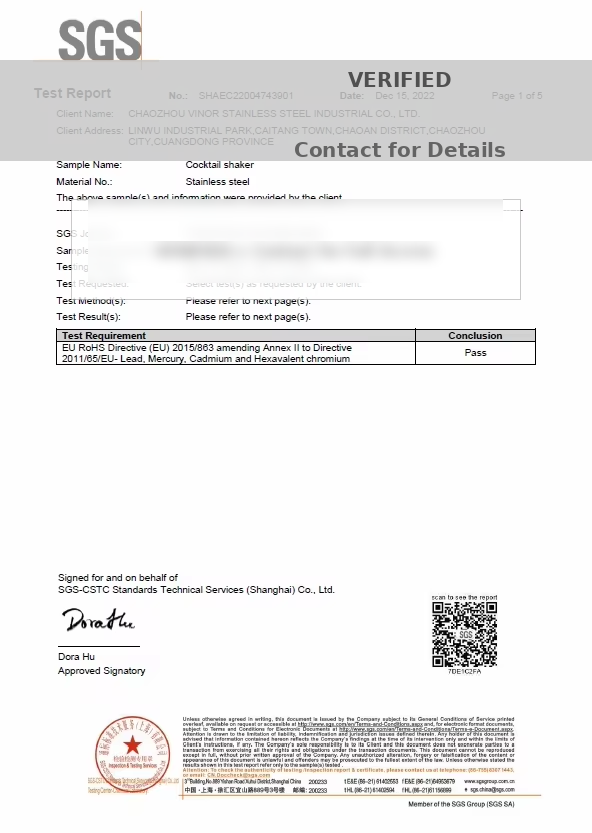
- Verify with test reports – Request material composition certificates and food safety test reports
- Consider your market – European buyers require LFGB; US buyers need FDA documentation
Common Misconceptions to Avoid
❌ "SS201 is fine for everything"
Wrong. SS201 lacks the corrosion resistance and food safety certification for direct beverage contact. Using SS201 for shakers or drinking vessels risks rust, staining, and potential regulatory violations.
❌ "All stainless steel is the same"
Wrong. Composition directly affects performance. SS304's nickel content provides superior corrosion resistance essential for acidic cocktail ingredients.
❌ "If it looks shiny, it's quality"
Wrong. Surface finish can be applied to any grade. A mirror finish on SS201 doesn't make it food-safe. Always verify material specifications.
How to Verify Material Grade
Protect yourself from misrepresented materials:
- Request mill certificates – Documentation from steel mills confirming composition
- Insist on food safety testing – FDA and LFGB test reports for food-contact products
- Use reputable suppliers – Established manufacturers with track records and certifications
- Order samples – Test physical products before bulk production
- Magnet test limitation – Neither SS304 nor SS201 are strongly magnetic, so this won't distinguish them
Making the Right Choice for Your Products
The choice between SS304 and SS201 depends on your product type and market:
- For cocktail shakers, jiggers, strainers → SS304 is essential
- For display stands and gift packaging → SS201 works great
- For maximum value and safety → Mix both strategically
Partner with a Material-Cinded Supplier
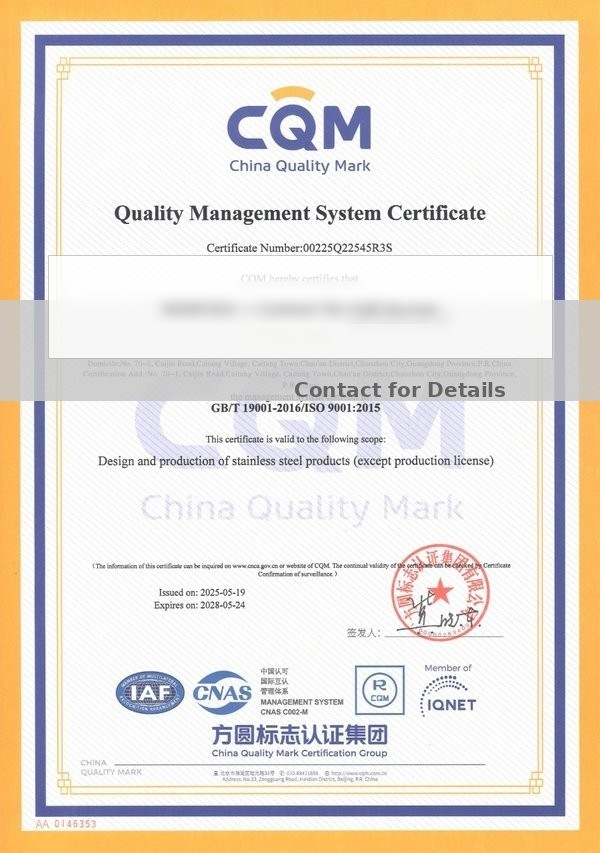
At Paceon, we maintain strict material specifications across our production. All food-contact barware products are manufactured from SS304 stainless steel with full FDA and LFGB certification. We clearly distinguish between SS304 food-contact components and SS201 structural elements in our product specifications and pricing.
This transparency helps buyers make informed decisions and ensures their end products meet international safety standards.
Questions About Materials?
Our technical team can help you select the right stainless steel grade for your specific barware products and market requirements.
Contact Our Team