
Cocktail Shaker Selection Guide

How to Choose the Right Cocktail Shaker for Your Market

← Back to Industry Insights

Selecting the right cocktail shaker for your target market involves more than just aesthetics. Whether you're stocking a professional bar in New York, a beach resort in Bali, or launching a consumer product line, the shaker you choose must align with user needs, performance expectations, and regulatory requirements. This guide walks you through the key considerations.

Understanding the Three Main Shaker Types

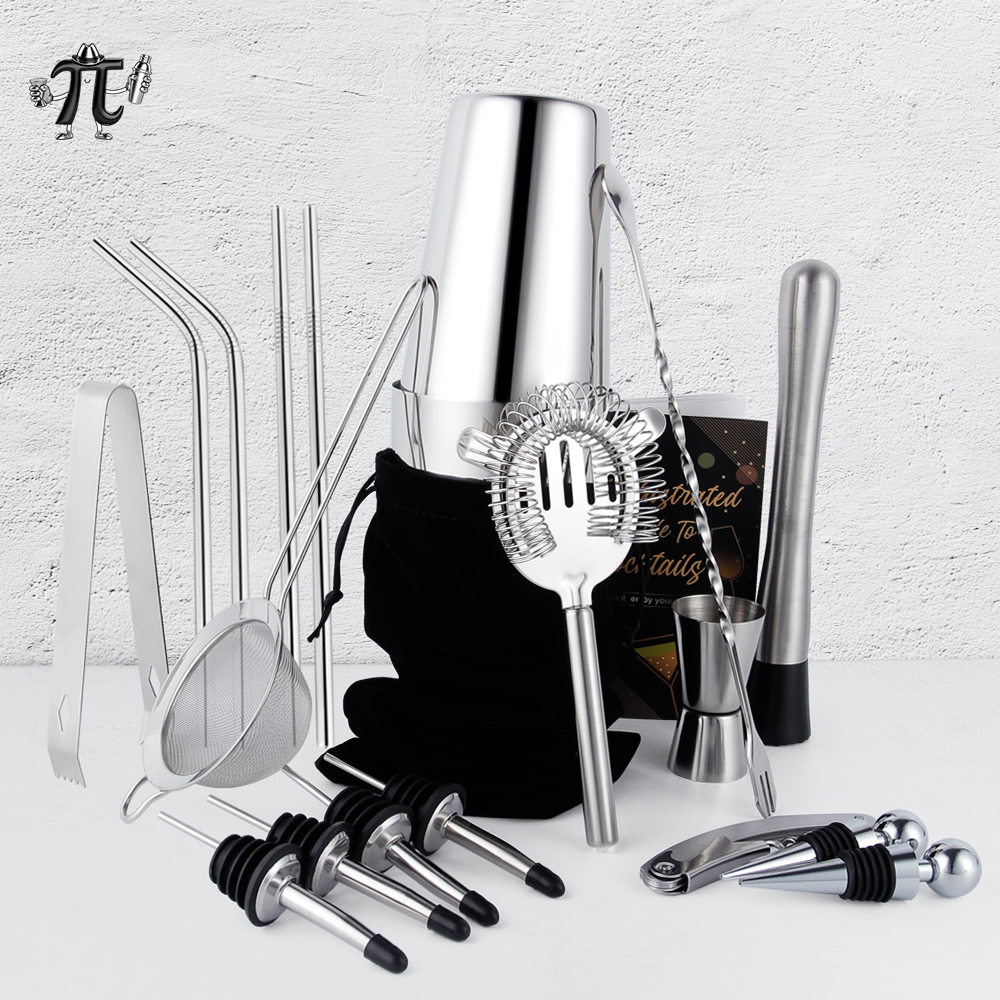
Cocktail shakers generally fall into three categories, each with distinct characteristics suited to different use cases:

Boston Shaker

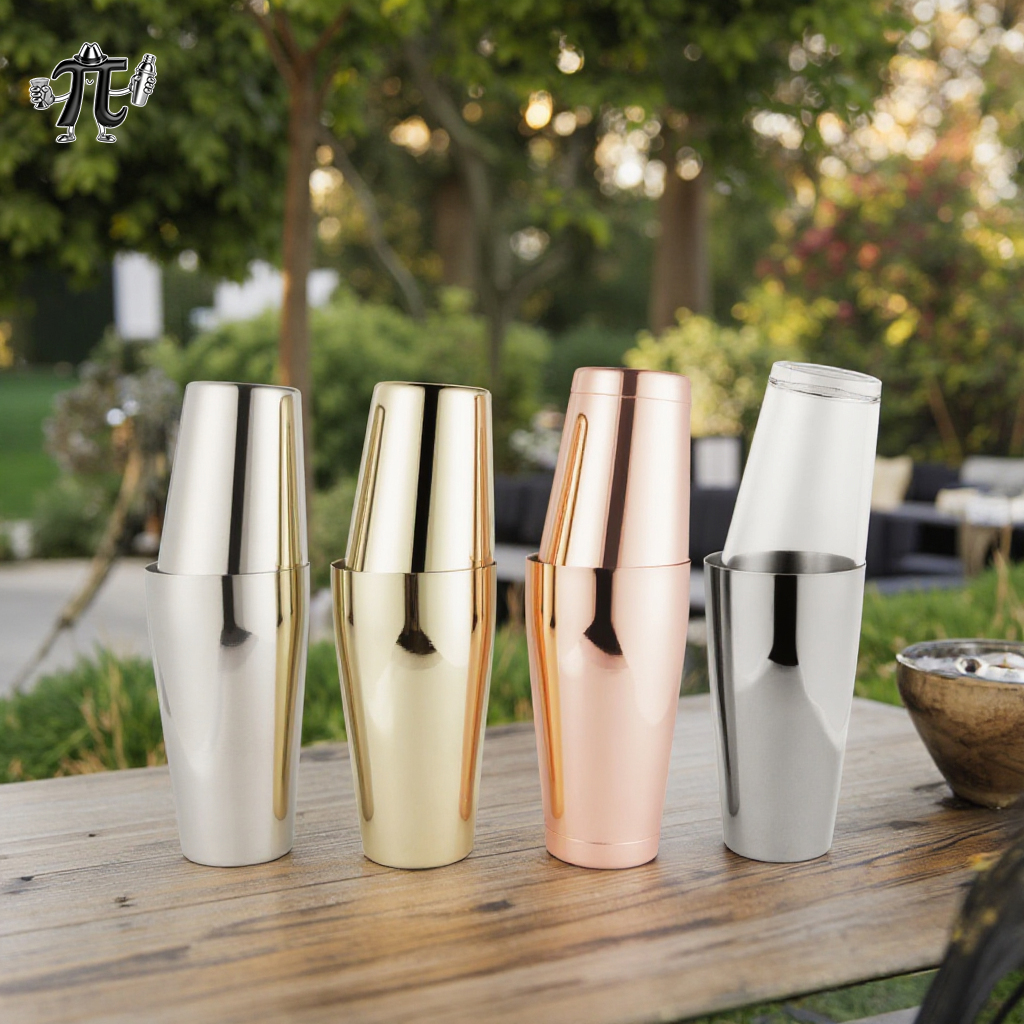
Two-piece design: metal tumbler + glass mixing cup. Preferred by professional bartenders for speed and volume. Requires practice to master.

Cobbler Shaker

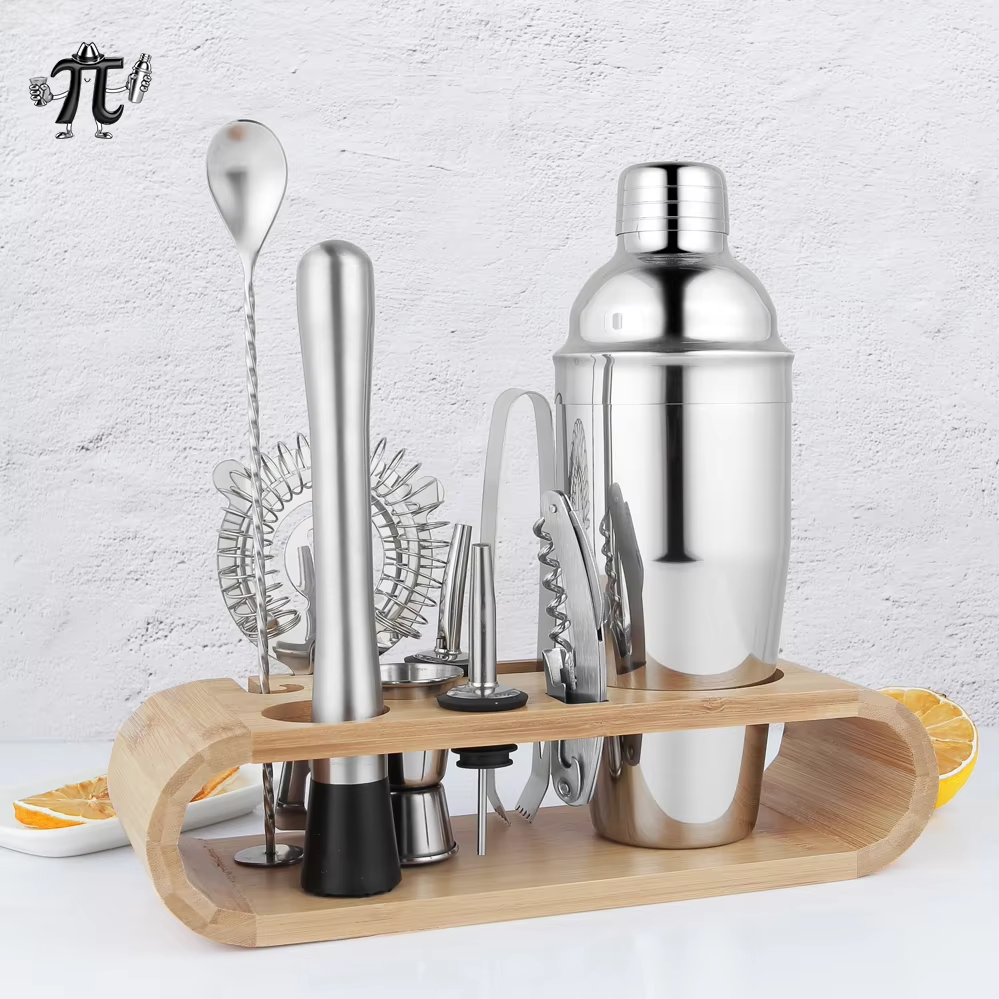
Three-piece design: tumbler, built-in strainer, cap. User-friendly for beginners. Ideal for home use and gift sets.

Parisian Shaker

Elegant two-piece design with conical shape. Balances professional performance with aesthetic appeal. Popular in European markets.

Material Selection: SS304 vs SS201

The choice of stainless steel grade significantly impacts product quality, food safety, and price point:

SS304 Stainless Steel: The Premium Choice

For cocktail shakers and any product that will contact beverages directly, SS304 stainless steel is the industry standard and recommended choice. Here's why:

SS304 contains 18% chromium and 8% nickel, giving it excellent resistance to oxidation and acidic ingredients commonly found in cocktails (citrus juices, sodas, wine-based drinks).

SS201 Stainless Steel: The Value Alternative

SS201 is increasingly used for decorative elements and structural components where food contact is not a concern:

Key Specifications Buyers Should Evaluate

1. Capacity and Proportions

Standard shaker capacities range from 16oz (500ml) to 28oz (800ml). Consider:

2. Seal and Pressure Management

For outdoor and portable applications, leak-proof pressure balance is critical. Look for:

3. Finish Options

The finish affects both aesthetics and durability:

Regional Market Considerations

North American Markets

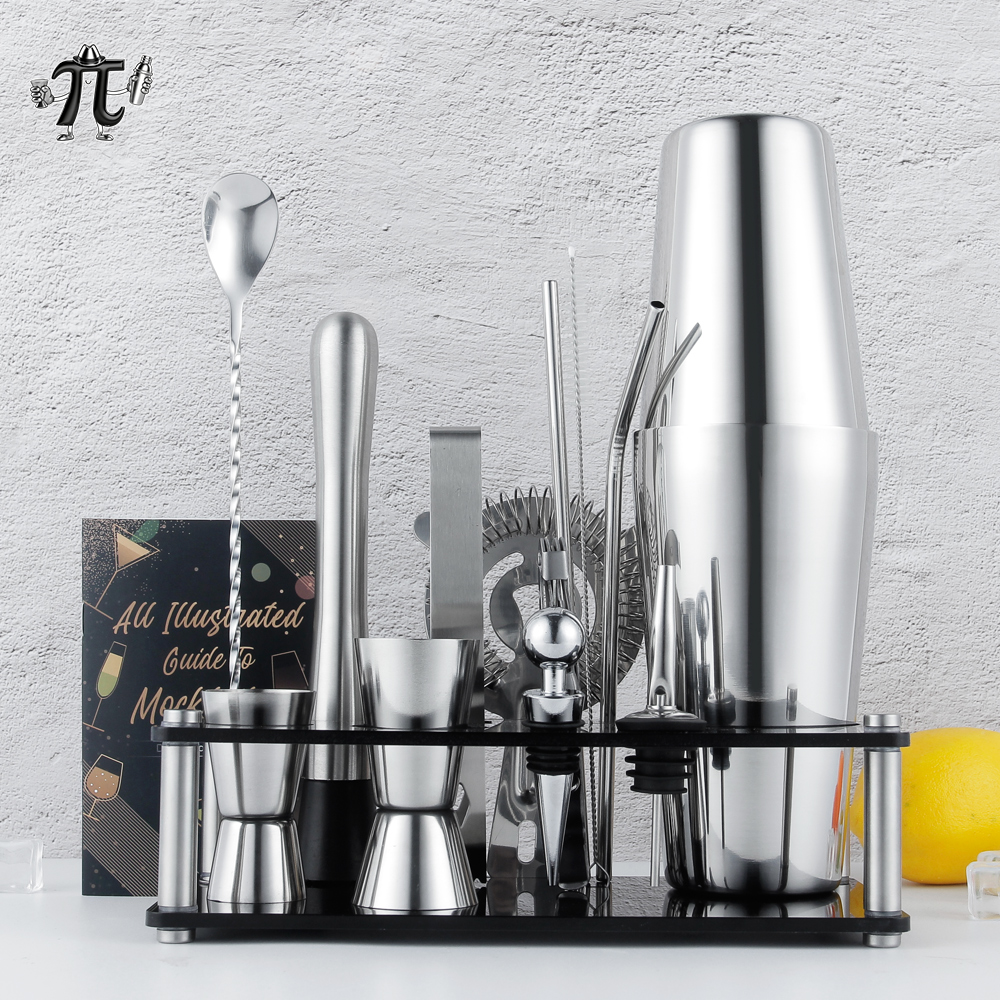
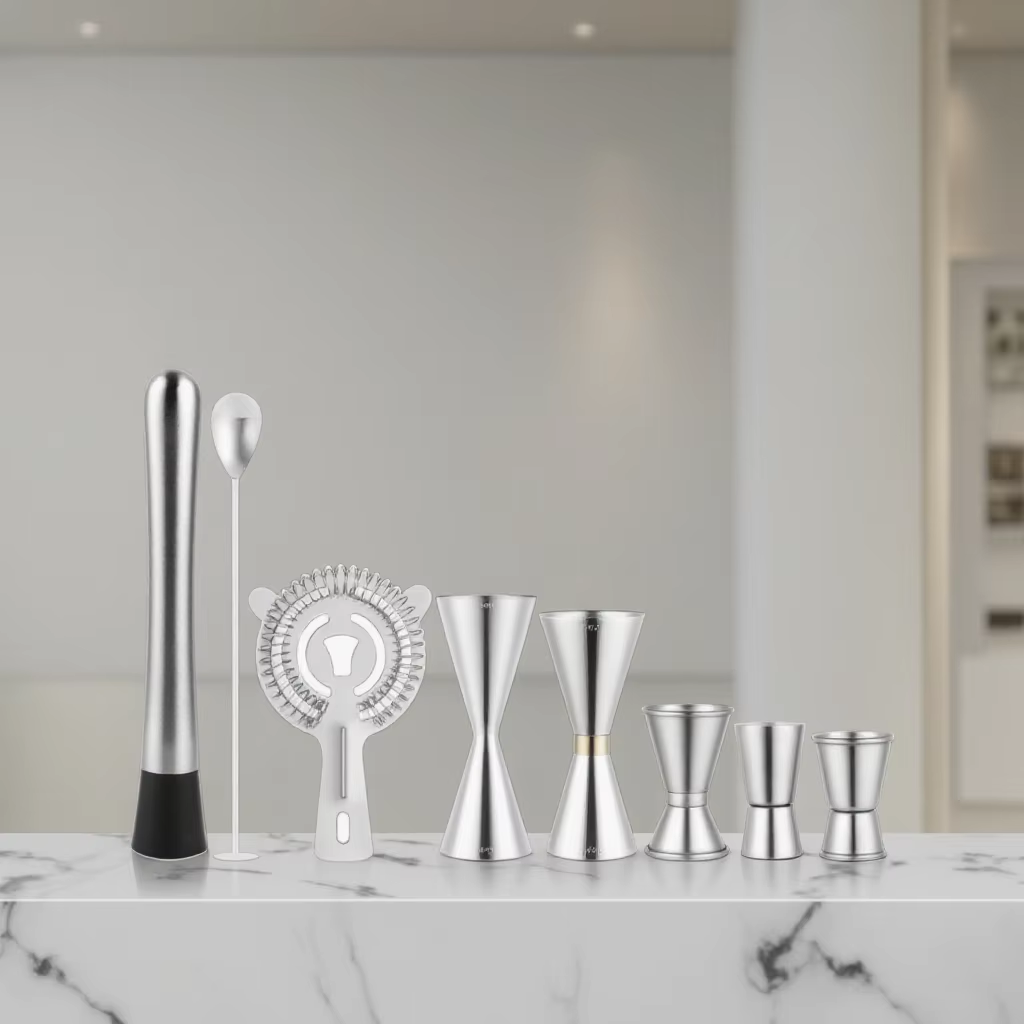
Prioritize FDA compliance and robust construction. American buyers often prefer larger capacity shakers (24-28oz) and durable brushed finishes that hide wear. Gift sets with multiple pieces (shaker + jigger + strainer) perform well in retail channels.

European Markets

LFGB certification is typically required. European buyers favor elegant designs with premium mirror finishes. The Parisian shaker style is particularly popular in upscale cocktail bars. Compact, aesthetically pleasing sets work well for specialty retail.

Outdoor & Hospitality Markets

Focus on durability and leak-proof performance. Rooftop bars, poolside venues, and cruise ships require shakers that can withstand humid, salty environments. Brushed finishes and SS304 construction are essential for corrosion resistance.

Customization Opportunities

Personalization significantly impacts perceived value and margin potential:

Quality Red Flags to Watch

When evaluating suppliers, watch for these warning signs:

Making Your Final Decision

The right cocktail shaker depends on your specific market and customer profile. Consider this decision framework:

  1. Define your use case – Professional, home, outdoor, or gifting?
  2. Determine material requirements – SS304 for food contact, SS201 for decorative
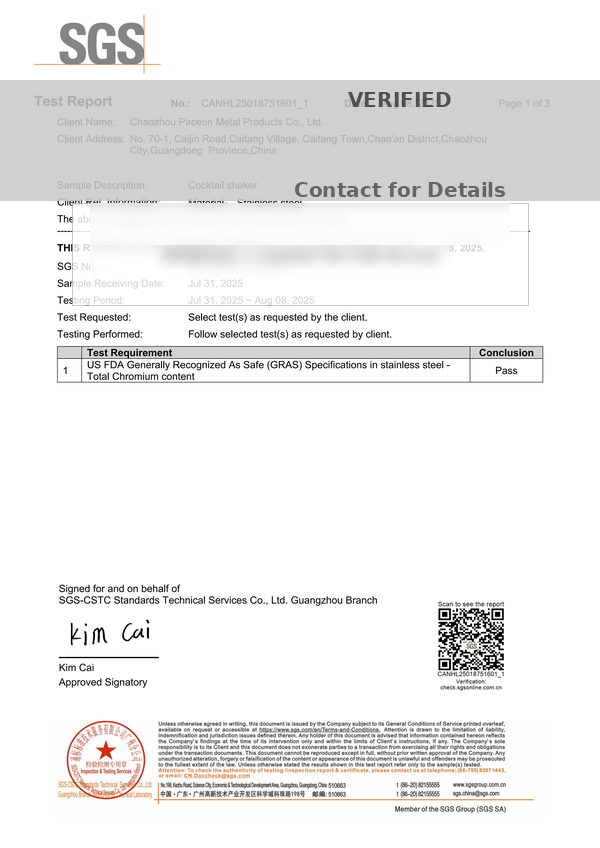
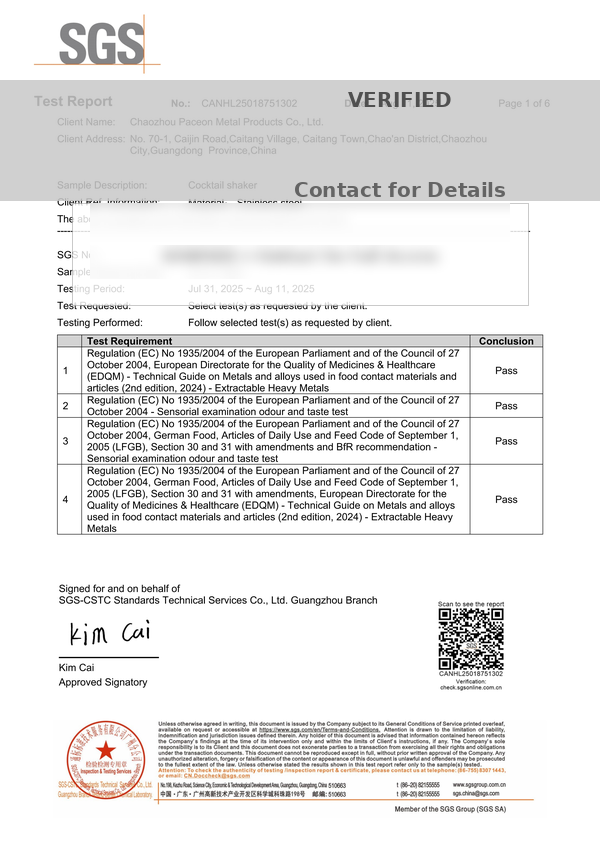
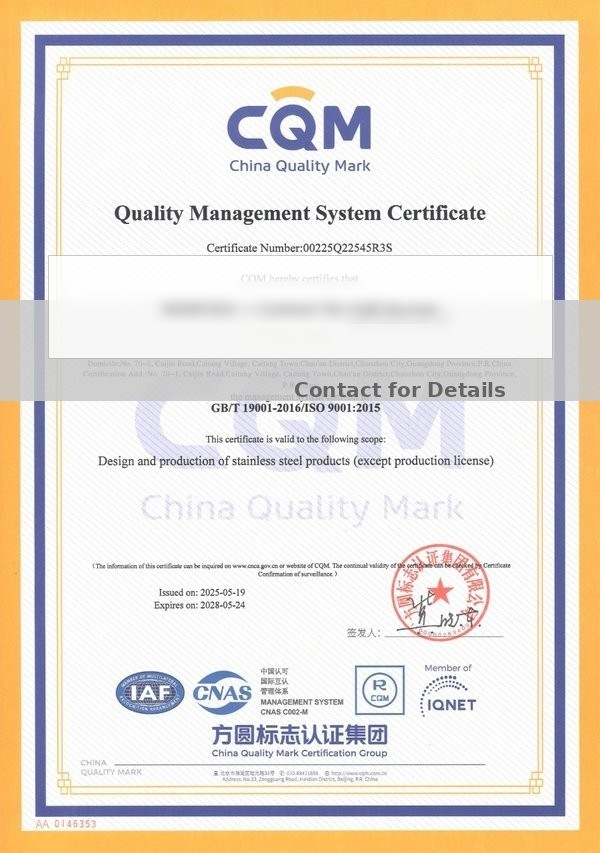
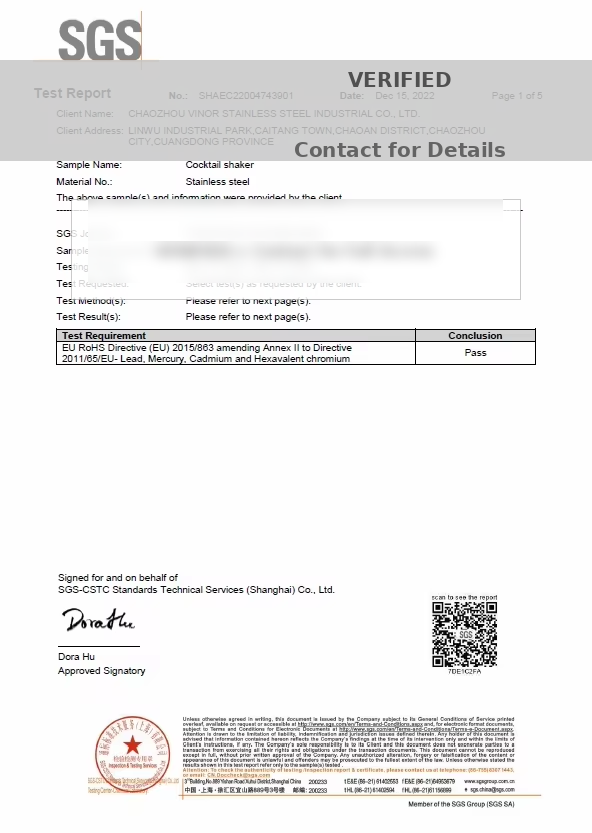
  3. Verify certifications – FDA/LFGB for food safety compliance
  4. Evaluate design preferences – Style, finish, capacity
  5. Plan for customization – Branding opportunities that add value

Ready to Find Your Perfect Shaker?

Work with Paceon's product team to source cocktail shakers tailored to your market requirements. We offer SS304 and SS201 options with FDA/LFGB/RoHS/ISO 9001 certifications.

Contact Our Team